Buying a Used Coffee Machine
A well-kept coffee machine often outlasts what its age suggests, and used it costs a lot less than new. The catch: from the outside you can hardly tell what shape it is in. Here is what to ask beforehand, what to check at the viewing and how to spot a good offer.
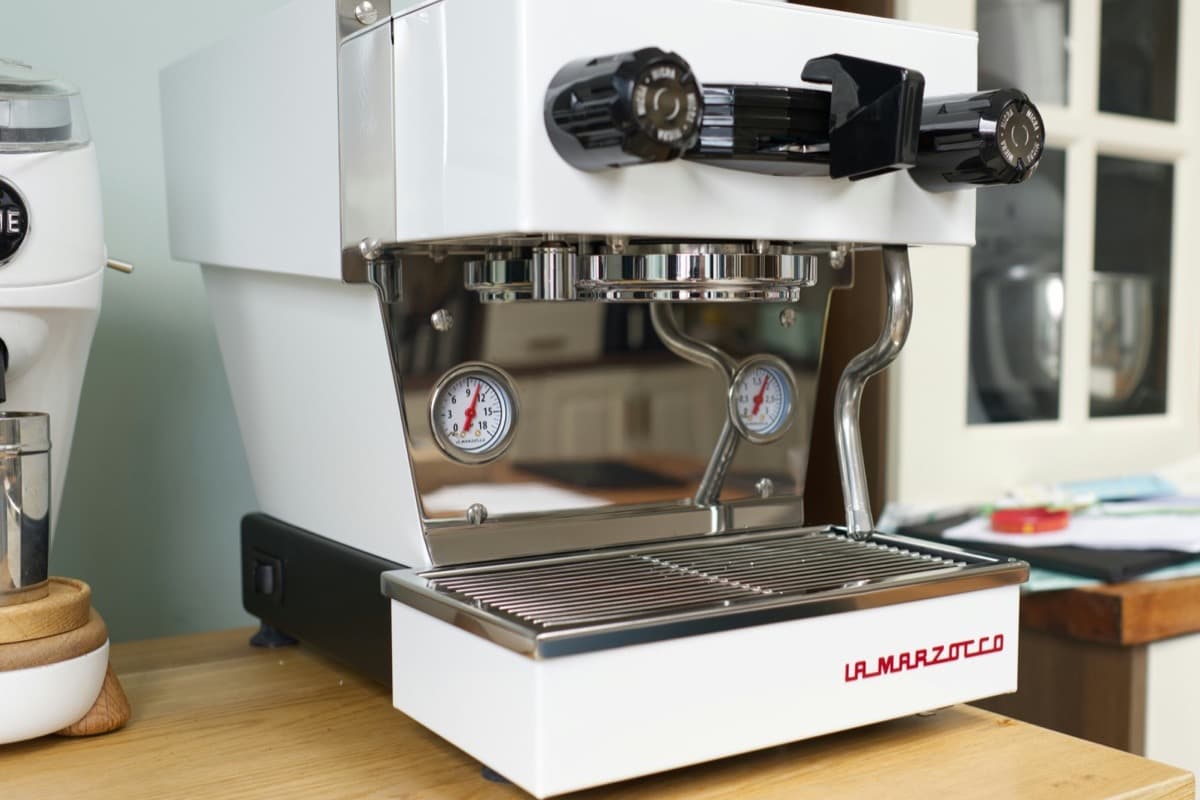
Work out what you need first
The machine type decides what you have to check and how much care comes with it later.
- Portafilter machine: More control over the espresso, but you need a suitable grinder and some practice. Check the gaskets, group head and steam wand especially carefully.
- Automatic machine: Beans in, press a button. A lot of technology sits inside, though: ask to see the brew unit, grinder and milk system.
- Filter machine: Simple and robust. Check the jug, filter holder and that water runs through cleanly.
- Capsule machine: Cheap to start with, but tied to one capsule system. Ask whether the capsules are still easy to get.
- Grinder: The burrs are what counts: burrs, motor and a smooth grind adjustment.
How to care for each type is in the guide to descaling and cleaning.
Dealer or private seller?
Both work. They differ mainly in who carries the risk.
- Dealer: You usually get a checked, serviced machine with a warranty and advice, but you pay a premium. Shipping is often included.
- Private seller: Usually cheaper, but you do the checking and have less protection. Look at the machine before you buy if you possibly can.
The radius search helps you find machines you can look at in person.
What to ask before the viewing
A few questions up front save you a trip and show how the seller treated the machine.
- Age and use: How old is the machine, how often did it run, at home or in an office?
- Descaling and water: When was it last descaled, with what, and how hard is the water where it ran? Hard water without descaling is the most common cause of damage.
- Service and repairs: Are there invoices or notes? Were gaskets, pump or boiler replaced?
- Reason for selling: Switching to another machine is a good sign. If the seller only hints at a fault, ask more.
- Accessories: Portafilter, baskets, tamper, jug, water tank, manual: whatever is missing costs extra.
Several photos from different angles help, including the group head and water tank.
What to check at the viewing
Take your time and let the machine run. A seller with nothing to hide will gladly show you everything.
Checking step by step
- Look at it cold: Look at the housing, water tank, connections and the surface under the machine. Water stains, limescale rings or rust point to leaks or poor care.
- Heat up and listen: Switch the machine on and listen for odd noises from the pump or heater. Watch for error messages and whether it is ready in a reasonable time.
- Pull a shot: Brew an espresso or a coffee. Water should flow evenly through the group head without leaking out at the sides of the portafilter or the gasket.
- Test steam and hot water: Let steam out of the wand and check that the tip is clear and the valve closes tightly. On an automatic machine, the milk system belongs here too.
- Check the grinder: Grind a few beans. The motor should run evenly, the grind setting should adjust easily and the burr chamber should look clean. Badly worn burrs show up as uneven grounds.
- Match the accessories: Compare what the listing says with what is actually there. Portafilter, baskets and tamper each cost money if they are missing.
What makes a good offer?
Find two or three listings for the same machine or the same class and compare condition, accessories and price. A machine with service records and all accessories may cost a little more than one with no details.
Be skeptical of:
- a price far below what similar machines cost
- vague statements about age, condition or faults
- a single, blurry photo
- a request to transfer money before you have seen the machine
Plan for extra costs
The purchase price is not everything.
- Shipping or pickup: Machines are heavy and fragile. They travel best in the original packaging or well padded.
- First service: Descaling and, depending on condition, new gaskets. This pays off even if the seller describes the machine as well kept.
- Wear parts: Gaskets, baskets, burrs and water filters are consumables. Ask the manufacturer or a specialist dealer about spare parts before you buy.
Paying safely
Do not transfer money before you have seen the machine if you can help it. If it ships, use a payment method with buyer protection, and meet somewhere safe for the handover, ideally where the machine stands.
Write to the seller through the contact form in the listing. Your message is passed on anonymously until you agree on a viewing.
Frequently asked questions
Is a used coffee machine worth it?
Yes, if it has been looked after. Portafilter machines, grinders and many automatic machines are built to last. What matters is service, descaling and the state of the wear parts, not the year of manufacture alone.
How can I tell whether a used machine was well kept?
A clean water tank, no limescale rings, a tight brew without water leaking at the sides and a seller who has service records or at least clear answers about descaling.
What should I look for in a used grinder?
A smooth motor, even grounds, an easy grind adjustment and a clean burr chamber. Badly worn burrs can be replaced, but that costs extra.
Ready to find a machine? Browse the listings and take the checklist with you. And when the new machine arrives, the guide to descaling and cleaning shows you how to look after it.